

Random posting rarely produces business results. A social media marketing strategy turns platforms into a planned system with audience targets, content pillars, cadence and review loops.
A successful social media presence begins with a well-defined strategy. Instead of posting randomly, every piece of content should support a specific objective, whether that is building brand awareness, generating leads, increasing website traffic or strengthening customer relationships. A clear strategy also helps businesses remain consistent, measure performance and adapt as audience behaviour changes.
The strongest marketing strategies are built around understanding customers rather than simply promoting products. Businesses that consistently deliver valuable content while maintaining a clear brand identity often develop stronger communities and better long-term results than those relying on short-term trends.
This guide explains how to build a practical social media marketing strategy with goals, KPIs, content calendars, review cycles and optimization steps across Instagram, Facebook, TikTok and YouTube. For platform basics and terminology, start with the Complete Social Media Marketing Guide.
Complete Social Media Marketing Guide
Learn how to build a successful social media marketing strategy with proven techniques for audience growth, content planning, engagement and long-term business success.
Start with Clear Business Goals
Before creating content, identify what success looks like for your business.
Your goals may include:
- Increasing brand awareness.
- Driving website traffic.
- Generating leads.
- Growing an online community.
- Improving customer support.
- Increasing sales.
- Building customer loyalty.
Every post should contribute to one or more of these objectives.
Understand Your Target Audience
An effective strategy begins with knowing who you want to reach.
Consider factors such as:
- Age.
- Location.
- Interests.
- Occupation.
- Buying behaviour.
- Online habits.
- Preferred social platforms.
Creating audience personas can help your team produce content that addresses real customer needs rather than assumptions.

Choose the Right Platforms
You do not need to be active on every social network.
Instead, focus on the platforms where your audience spends the most time.
For example:
Instagram works well for visual storytelling, lifestyle brands and product showcases.
Facebook is useful for local businesses, community engagement and customer communication.
TikTok is effective for short-form educational and entertaining content.
YouTube is ideal for tutorials, product demonstrations and long-form educational videos.
Concentrating on the right platforms allows you to invest your time more effectively.
Buy Instagram Followers Canada
Compare real follower packages when you want to support Instagram growth alongside organic content.
Buy Facebook Followers Canada
Compare real follower packages when you want to support Facebook Page growth alongside organic content.
Buy TikTok Followers Canada
Compare real follower packages when you want to support TikTok growth alongside organic content.
Buy YouTube Subscribers Canada
Compare real subscriber packages when you want to support YouTube growth alongside organic content.
Define Your Content Pillars
Content pillars are the main topics your business will consistently discuss.
A simple structure might include:
- Educational content.
- Industry news.
- Customer success stories.
- Behind-the-scenes updates.
- Product demonstrations.
These pillars make planning easier while keeping your messaging consistent.
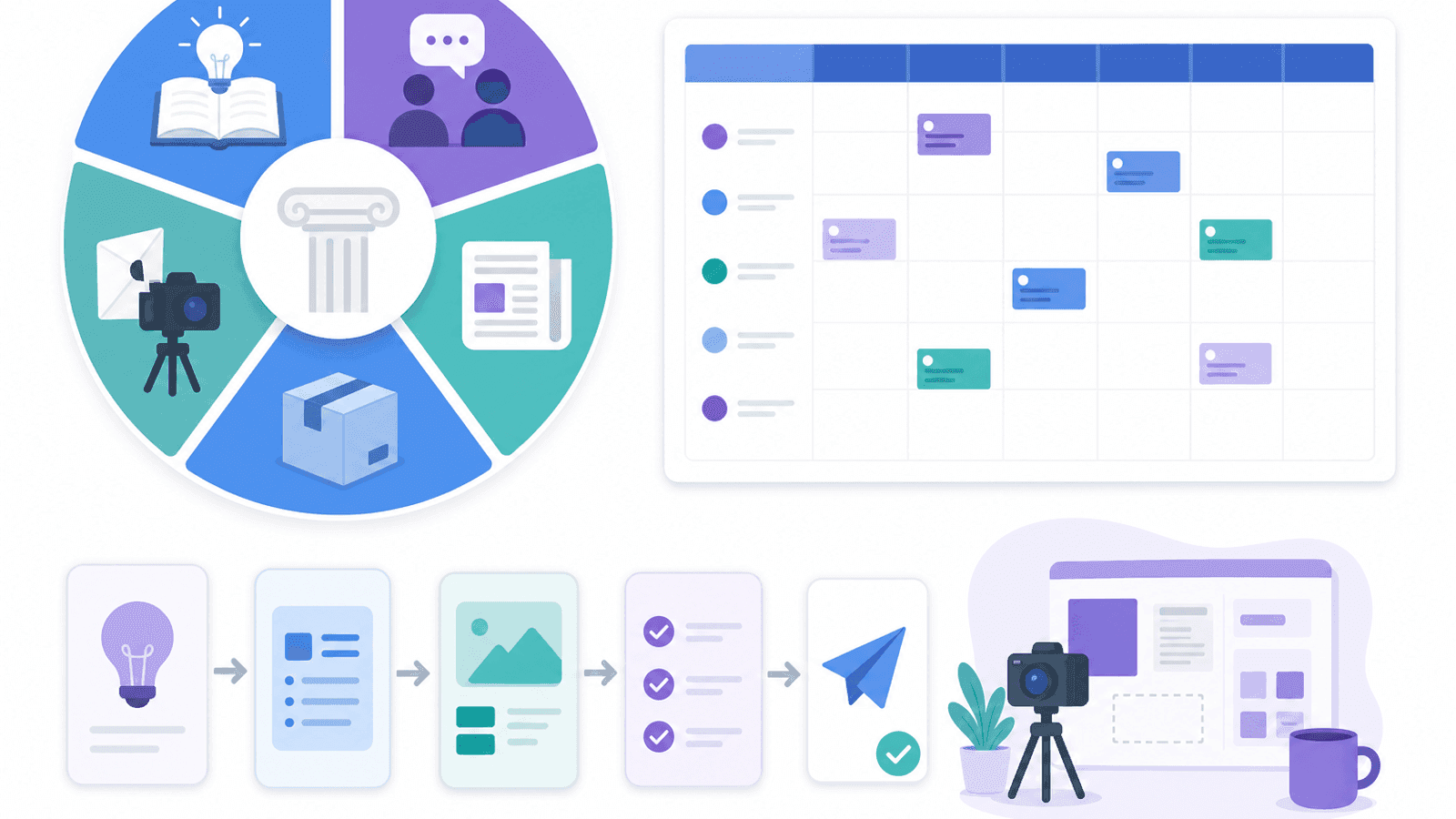
Create a Content Calendar
Planning content in advance helps maintain consistency.
Your calendar should include:
- Publishing dates.
- Platforms.
- Content formats.
- Campaigns.
- Seasonal events.
- Product launches.
A structured calendar reduces last-minute decisions and supports higher-quality content.
Social Media Content Planning Guide
Learn how to create a monthly social media content calendar with practical planning techniques, content ideas, scheduling tips and workflow strategies for long-term success.
Build a Consistent Brand Voice
Customers should recognise your business regardless of which platform they use.
Maintain consistency through:
- Tone of voice.
- Brand colours.
- Design style.
- Messaging.
- Visual identity.
Strong branding increases familiarity and trust over time.
Encourage Meaningful Engagement
Social media should encourage conversations rather than simply broadcasting messages.
Ask questions.
Respond to comments.
Reply to messages.
Thank customers for feedback.
Meaningful interaction strengthens relationships while improving engagement across platforms.
Monitor Performance
Every strategy should be supported by data.
Track metrics such as:
- Reach.
- Engagement.
- Click-through rate.
- Website traffic.
- Audience growth.
- Video performance.
- Conversions.
Review reports regularly and use the findings to improve future campaigns.
How to Measure Social Media Success
Learn how to measure social media success using the right metrics, KPIs and analytics to improve engagement, website traffic, conversions and long-term business growth.
Adjust Your Strategy Regularly
Audience preferences change over time.
Review your strategy every few months by asking:
- Which content performs best?
- Which platforms generate the highest engagement?
- What questions are customers asking?
- Which campaigns produced measurable results?
Continuous improvement is one of the strongest competitive advantages in social media marketing.
Expert Tips
Businesses with successful social media strategies usually:
- Define clear goals.
- Focus on one audience.
- Plan content in advance.
- Maintain consistent branding.
- Measure results regularly.
- Adapt based on analytics.
Consistency combined with flexibility often produces the strongest long-term results.
Social Media Marketing Mistakes Businesses Should Avoid
Discover the most common social media marketing mistakes businesses make and learn practical strategies to improve engagement, consistency, branding and long-term marketing success.
Real-World Example
A Canadian outdoor equipment retailer wanted to improve online sales through social media.
Instead of publishing random promotional posts, the business developed a strategy centred on three content pillars: hiking education, equipment demonstrations and customer adventures.
Using a monthly content calendar and reviewing analytics every month, the company gradually increased engagement and website traffic because its content consistently aligned with customer interests.
Quick Wins
Strengthen your strategy this week:
- Define one primary business goal.
- Create two audience personas.
- Review your current platforms.
- Build three content pillars.
- Plan next month's content calendar.
Complete Beginner's Guide to Growing on Social Media
Learn the fundamentals of social media growth with this beginner-friendly guide covering strategy, content creation, engagement, analytics and long-term success across major social platforms.
Monthly Strategy Checklist
Review every month:
- ✔ Business goals
- ✔ Audience growth
- ✔ Engagement rate
- ✔ Website traffic
- ✔ Content performance
- ✔ Brand consistency
- ✔ Customer feedback
- ✔ Campaign results
Use these insights to refine your strategy and improve future marketing efforts.

Key Takeaways
A successful social media marketing strategy provides direction, consistency and measurable objectives.
Businesses that understand their audience, publish valuable content and regularly review performance are more likely to build sustainable growth than those posting without a clear plan.
Rather than reacting to every trend, focus on creating a strategy that reflects your business goals and your customers' needs.
Conclusion
An effective social media marketing strategy is built on planning, audience understanding and continuous improvement.
By setting clear goals, choosing the right platforms, organising your content and measuring results consistently, you can create a marketing system that supports long-term business growth instead of relying on short-term tactics.
The strongest strategies evolve over time, guided by data, customer feedback and valuable content.
Related Learn Articles
- Complete Social Media Marketing Guide
- Social Media Content Planning Guide
- Social Media Marketing Mistakes Businesses Should Avoid
- How to Measure Social Media Success
- Complete Beginner's Guide to Growing on Social Media
Key takeaways
- A social media marketing strategy defines goals, KPIs, content pillars, cadence and review cycles.
- Use monthly performance reviews and quarterly plan adjustments instead of reactive trend-chasing.
- Pair this execution framework with the educational platform guide when your team needs terminology or channel basics.
Related services
Explore Instagram Followers Packages
Compare real follower packages on InstantViral.ca when you are ready to support social growth.
Frequently asked questions
What is a social media marketing strategy?
A social media marketing strategy is a structured plan that defines your goals, target audience, content approach, platforms and performance metrics.
Why is a strategy important?
A strategy keeps your marketing focused, improves consistency and helps you measure meaningful business results.
How often should I review my strategy?
Most businesses benefit from reviewing their strategy every month and making larger adjustments every quarter.
Should every business use every social media platform?
No. Focus on the platforms where your audience is most active and where your content performs best.
What role do content pillars play in a social media marketing strategy?
They define the topic lanes your brand owns, which keeps campaigns, briefs and measurement aligned across platforms.
Related articles
Social Media Marketing
Complete Social Media Marketing Guide for Businesses (2026)
Learn how to build a successful social media marketing strategy with proven techniques for audience growth, content planning, engagement and long-term business success.
Social Media Marketing
Social Media Content Planning: How to Create a Monthly Content Calendar
Learn how to create a monthly social media content calendar with practical planning techniques, content ideas, scheduling tips and workflow strategies for long-term success.
Social Media Marketing
Social Media Marketing Mistakes Businesses Should Avoid: 15 Common Errors That Limit Growth
Discover the most common social media marketing mistakes businesses make and learn practical strategies to improve engagement, consistency, branding and long-term marketing success.
Social Media Marketing
How to Measure Social Media Success: Important Metrics Every Business Should Track
Learn how to measure social media success using the right metrics, KPIs and analytics to improve engagement, website traffic, conversions and long-term business growth.
Guides
Complete Beginner's Guide to Growing on Social Media (2026)
Learn the fundamentals of social media growth with this beginner-friendly guide covering strategy, content creation, engagement, analytics and long-term success across major social platforms.
Guides
How Social Media Algorithms Work: A Complete Guide for Businesses and Creators
Learn how social media algorithms work across Instagram, Facebook, TikTok and YouTube, and discover practical strategies to improve reach, engagement and long-term growth.
Browse growth services
Explore InstantViral services for Instagram, TikTok, YouTube, and Facebook.